Your Next Influencer Already Works Here
How an M&S food director became a social media favorite, and what brands can learn from the people who know their products best
This Halloween, some people dressed as witches. Others dressed as Kathryn Turner, the woman who develops food for Marks & Spencer.
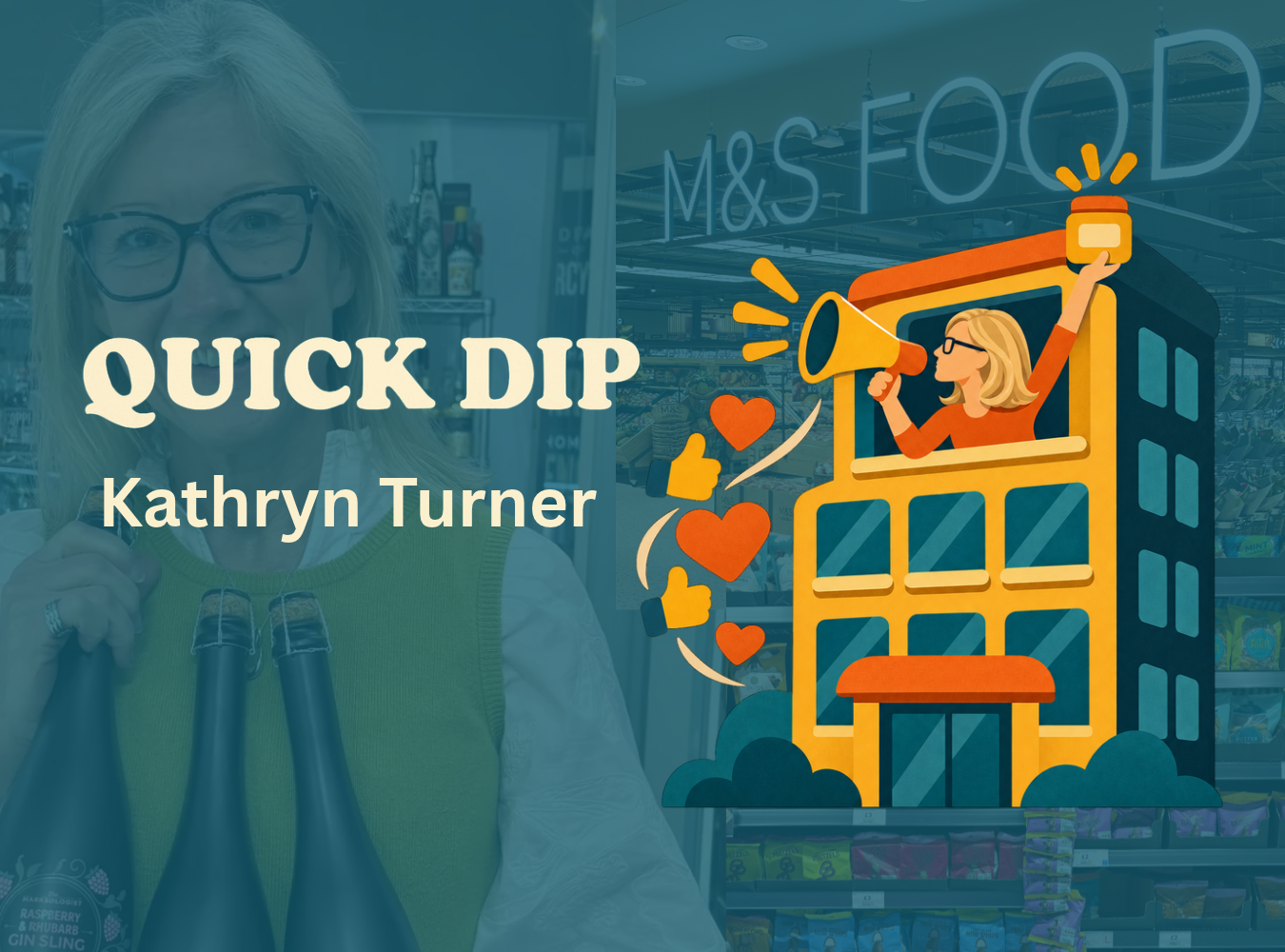
Kathryn Turner is M&S Food’s director of product development. She is also, as it turns out, extremely good at making people care about what is happening in the M&S refrigerated section.
On social, Turner walks viewers through new products, introduces the people behind them and shares the kind of enthusiasm that makes you want to stop by a store for one thing and leave with a basket full of things you hadn’t planned to buy. There are dips, desserts and coworkers who become familiar characters in her videos. If you’ve ever wanted an inside look at how your favorite grocery store comes up with the food you keep buying, this is a pretty good place to start.
The audience has noticed. In early November, City A.M. reported that Turner had around 319,000 TikTok followers, compared with 270,000 for the M&S Food account. She also had around 281,000 Instagram followers.
That’s a lot of people choosing to follow someone whose day job is developing food. It’s also a good reason for brands to take a closer look at the people already working behind the scenes.
Kathryn Turner: The person behind the product

Turner has worked at M&S since 1995. She knows the products, the process and the people involved in getting everything onto shelves. When she talks about a new launch, she has a perspective that comes from being there while it was made.
That knowledge gives viewers a different way into the brand. Instead of seeing a product on a shelf and deciding whether it looks good, they get to hear about it from someone who can make them curious before they even get to the store.
In British Vogue, writer Lisa Niven-Phillips describes watching Turner’s videos and buying products she might otherwise have walked past. It’s one shopper’s experience, but it’s an easy one to understand. A good recommendation can make you notice something you’ve overlooked a dozen times.
It also gives people a reason to care about the coworkers who show up along the way. Once you recognize the people responsible for the food, the next dip or seasonal dessert has a story attached to it. You’re not just seeing another new product. You’re seeing what that team has been working on.
For a brand with a steady stream of products, that can turn the development process into an ongoing source of content. There is always another person to meet, another detail to explain and another thing for viewers to look for on their next trip.
So, can every brand find its own Kathryn Turner?
Probably. But that person might not look or sound much like Kathryn Turner.
Iceland recently introduced its frozen food director, Lauren Metcalfe, in videos showcasing its own products. According to CORQ, her debut reached around 287,400 views, but the response included mixed comments and comparisons to Turner.
One video doesn’t tell us what will happen with Iceland’s employee-led content over time. It does show what happens when viewers recognize a format that reminds them of someone they already follow. They’re seeing both the new person and the comparison at the same time.
That’s a tricky place to start. The food director role might be similar, but the products, the company and the person are different. Those differences are where the interesting content lives.
A beauty advisor might know which questions customers ask when they’re standing in front of a wall of nearly identical products. A repair technician might be able to show the small mistake they see every day. A store employee might know about a service that customers walk past without realizing it’s there.
The useful question for brands is less “Who can be our version of this person?” and more “Who knows something our audience would love to be let in on?”
The employee who explains what you didn’t know you needed
Sometimes that person is already posting before the brand gets involved.
Kaeden, known online as the “Staples Baddie,” has attracted attention for videos about Staples products and services. She explains what’s available in her own voice, including services that viewers may not have known they could find at the store. Fast Company reported that some viewers said they visited Staples after watching her videos, and that the company reached out to explore a collaboration.
Those comments don’t tell us how many visits the videos actually drove. They do show why the content is useful. A store can offer a service for years, but if customers don’t know about it or don’t understand why they’d need it, it might as well be invisible.
An employee who can explain that service in a way people want to watch gives the brand an opportunity to make the familiar feel new again. And because they hear customers’ questions in real life, they may know which details need explaining before the marketing team thinks to ask.
From the store floor to the feed
Not every employee-led account needs one breakout star.
Currys has built social content around the people who work in its stores, giving the brand a cast of familiar faces and plenty of room for personality. In its TikTok Shop announcement, the retailer also pointed to product demonstrations and live shopping as part of its plans. The people who help customers understand products in a store can help explain them on a platform where shoppers are already spending time.
Best Buy is taking another approach. Its Best Buy Studios and Creators offering includes Blue Shirt employees alongside outside creators and reviewers. Their product knowledge becomes part of a broader offering for advertisers looking to reach shoppers.
M&S, Currys and Best Buy aren’t all doing the same thing. Turner has built an audience around her own role. Currys has made room for a group of employees. Best Buy is bringing employee expertise into a more formal media offering. Each approach gives audiences access to people who can help them understand the products in front of them.
When your employee becomes part of your brand
There’s a lot to love about the idea of finding an employee who can make people excited about your business. There are also a few things to figure out before asking that person to become the face of it.
Being good at a job and being comfortable with public attention aren’t the same thing. An employee might be happy to explain how a product works but have no interest in becoming recognizable when they’re out shopping. Someone else might love making videos but need support with the time it takes to film, edit and respond to an audience.
Compensation matters, too. Kaeden has publicly raised the question of commission, according to Fast Company. If an employee’s content is creating value beyond their usual responsibilities, brands should be clear about how that work is recognized and supported.
Then there are the practical questions: Who owns the content? What happens if the employee leaves? Can they work with other brands? Who handles moderation if a post reaches a much larger audience than expected?
Brands also need to make the employee’s relationship with the company clear. The FTC’s endorsement guidance addresses employee endorsements in the U.S., and the U.K.’s Advertising Standards Authority likewise includes employees among people with a commercial connection to a brand. Posting from a personal account doesn’t erase that connection.
None of these questions should stop a brand from working with its employees. Answering them early makes it easier for everyone to enjoy what happens when the content takes off.
What brands can take away
- Look for knowledge and enthusiasm. The person with the most relevant insight may be developing a product, answering customer questions or fixing it when something goes wrong.
- Let people sound like themselves. Give employees the information and support they need, but leave room for the personality that makes someone want to follow them.
- Pay attention to the questions. Comments can show what people want to know, what they’re looking for in stores and which products they’re excited to see next.
- Think beyond a single viral video. Recurring people, products and stories give audiences a reason to come back.
- Make a plan for the people involved. Paid time, compensation, production help, disclosures and expectations around content ownership should be part of the conversation from the beginning.
Final thought
There’s a good chance someone in your business already has a favorite product they can talk about for ten minutes, an answer to the question customers always ask or a story about how something got made. They may have been sharing those things with coworkers and customers for years.
Giving that person a place in your social strategy could help the audience see your brand the way they do: up close, full of details and a little more interesting than it looked from the outside.