2016 Core Is Back: Why A Decade On, Social Media Is Loving 2016 Again
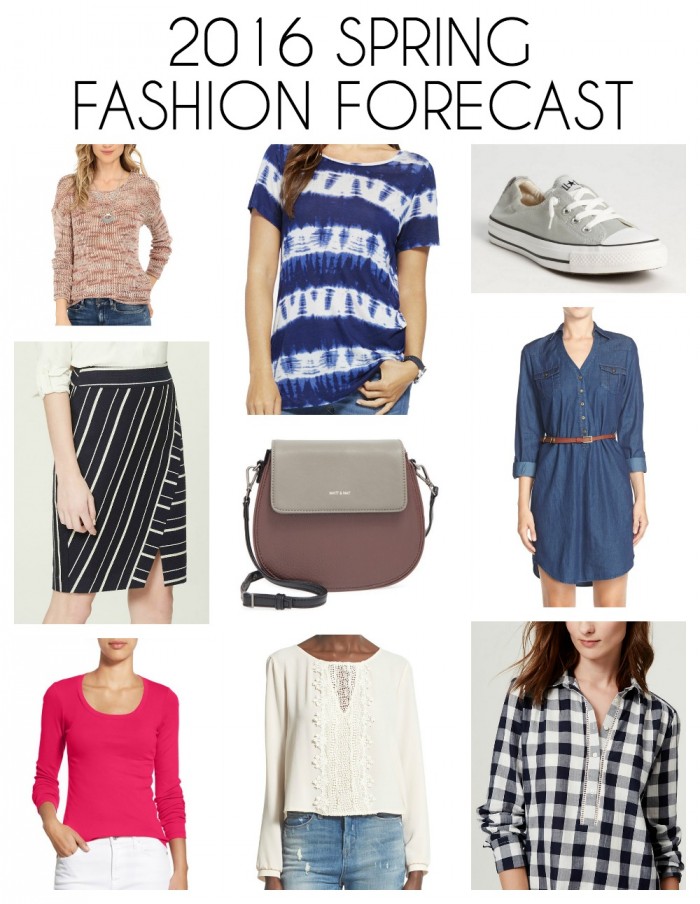
The cream rises to the top, as they say. // 2016 Fashion Blog
Back to 2016
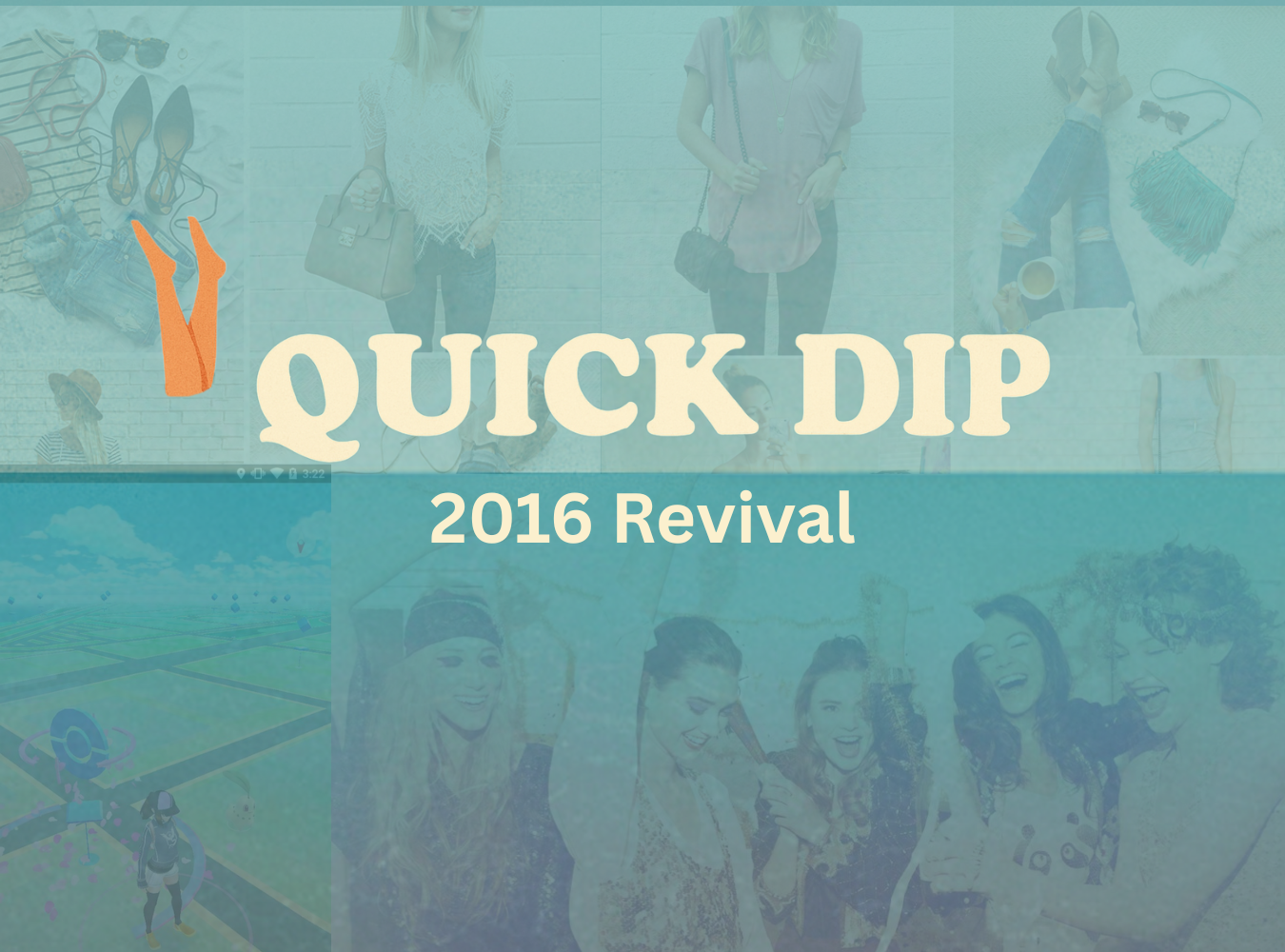
From chokers and bottle flips to viral throwbacks and unfiltered content, the “2026 is the new 2016” wave reveals a collective longing for simpler internet vibes and emotional connection. How can your brand authentically hop on the trend, or is this best left to fans?
What’s most interesting about the 2016-core wave isn’t just that it’s happening. It’s how it’s being remembered. Scroll any FYP, and you’ll see it: Tumblr fonts, Snapchat filters, Suicide Squad clips, outfit dumps like a Kylie Jenner time capsule. Social media isn’t just revisiting the past. It’s reissuing the deluxe edition.
Because nostalgia doesn’t remember everything, it remembers the best of it—or at least, the best-looking parts. We think of the ’80s and get The Breakfast Club, Prince, and Stranger Things-style nerd chic. But at the time? Nerds were losers with a capital L, and those windbreakers have a residency on thrift store racks for a reason.
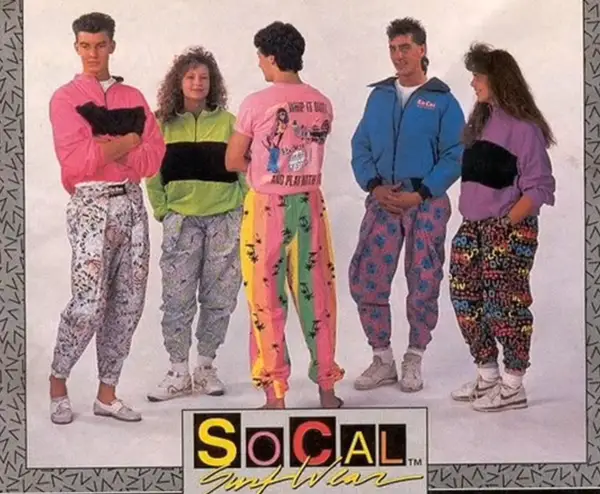
Same with the ‘90s. We talk about grunge, Riot Grrrl, Nirvana — and yes, they defined the decade. But first, we had to get past this:
😬
Mall-stamped neon, SoCal surfwear, flipped-up bangs, and an avalanche of zig-zag patterned tracksuits. The cultural memory gives us Kurt Cobain. Not the No Fear tee & JNCO section at JCPenney.
What survives is what signals best in retrospect. The parts of the past that map neatly onto the mood of the present.
The same thing’s happening with 2016. Today’s TikToks would have you believe every girl wore chokers and thigh-high socks to homeroom. In reality, chokers mostly lived on Pinterest boards and Instagram mood posts. Not in most people’s closets, at least not worn daily. What survives is the aesthetic canon, not the day-to-day. The messy middle — Zika, Vine shutting down, the actual election vibes — gets blurred out.
As Vogue put it: “The 2016 internet wasn’t necessarily better. But it was softer. Stranger. More human.”
What’s Happening
The tag “2026 is the new 2016” has gone viral as users flood feeds with throwbacks: bottle flip clips, Mannequin Challenge remixes, Snapchat-era filters, and grainy photo dumps. Classic fashion pieces from that era — chokers, skinny jeans, bomber jackets — are resurfacing both in real wardrobes and digital outfit posts.
Music from 2016 is making a comeback on Spotify playlists and trending on TikTok. Even the editing styles feel era-specific, with overly saturated filters, fisheye lenses, and hand-drawn doodles that mimic the early Instagram Story energy. In other words, it looks like it wasn’t trying too hard.
However, what’s striking is how closely this new wave mirrors what people were searching for on Google in real time back in 2016. Fashion-wise, the questions were endearingly chaotic:
“How to wear booties with skinny jeans?”
“What is boho?”
“How to become a fitness model?”
This wasn’t a minimalist era — it was experimental, personality-driven, and often contradictory. You could Google “how to cut sleeves off a shirt” and then pin a red carpet look from Jennifer Lawrence 10 minutes later. It was the golden age of trying things on, digitally and emotionally.
The designs people searched for most in 2016 weren’t just from legacy fashion houses — they were personalities. Rachel Roy. Zendaya. The Olsen twins. Kylie Jenner. Kanye West. Beyoncé. Ivanka Trump.
Some were on the Met Gala carpet. Some were on Instagram Stories. Some were being accused of “Becky with the good hair.” It was messy and status-fluid — exactly the kind of referential fashion culture TikTok thrives on now.
And the red carpet? Top-searched style moments included Jennifer Garner, Alicia Vikander, Brie Larson, and Rachel McAdams — women who carried an effortless approachability-meets-icon energy. The very vibe Gen Z creators now mimic in blurry mirror selfies and AI-generated “2016 It Girl” TikToks.
Now, it’s even going meta. AI-generated videos are circulating across TikTok and YouTube depicting “a day in the life of a 2016 teenager” — messy bedrooms, Fifth Harmony posters, Snapchat dog filters, and IG DMs with the old UI. Background noise? Closer by The Chainsmokers. Movie night? LaLa Land. On the floor? An iPhone SE charging next to a Hydro Flask. These aren’t archival clips. They’re simulations of collective memory, assembled by machines and consumed like artifacts.
It’s not about accuracy. It’s about emotional resonance — a vibe pulled from pixels and search terms: Kesha comeback ballads, Stranger Things marathons, the Rio Olympics, and that exact shade of Instagram beige.
A Personal Note: Reporting from 2016
I was 26 in 2016 — far out of high school, but still young enough to wonder if I should get a choker. My uniform at the time was a black mid-thigh cotton skirt from H&M, a tight black spaghetti-strap tank top or a tight off-the-shoulder back shirt, a flannel tied around my waist or a cardigan if it was chilly, and hidden-heel Converse, which I wore so religiously that flat shoes gave my ankles an identity crisis. Black winged eyeliner and chipped nail polish were basically part of the outfit. Sometimes I had a high bun with bangs, or if I was feeling fancy, I wore a hat. We all looked like that.
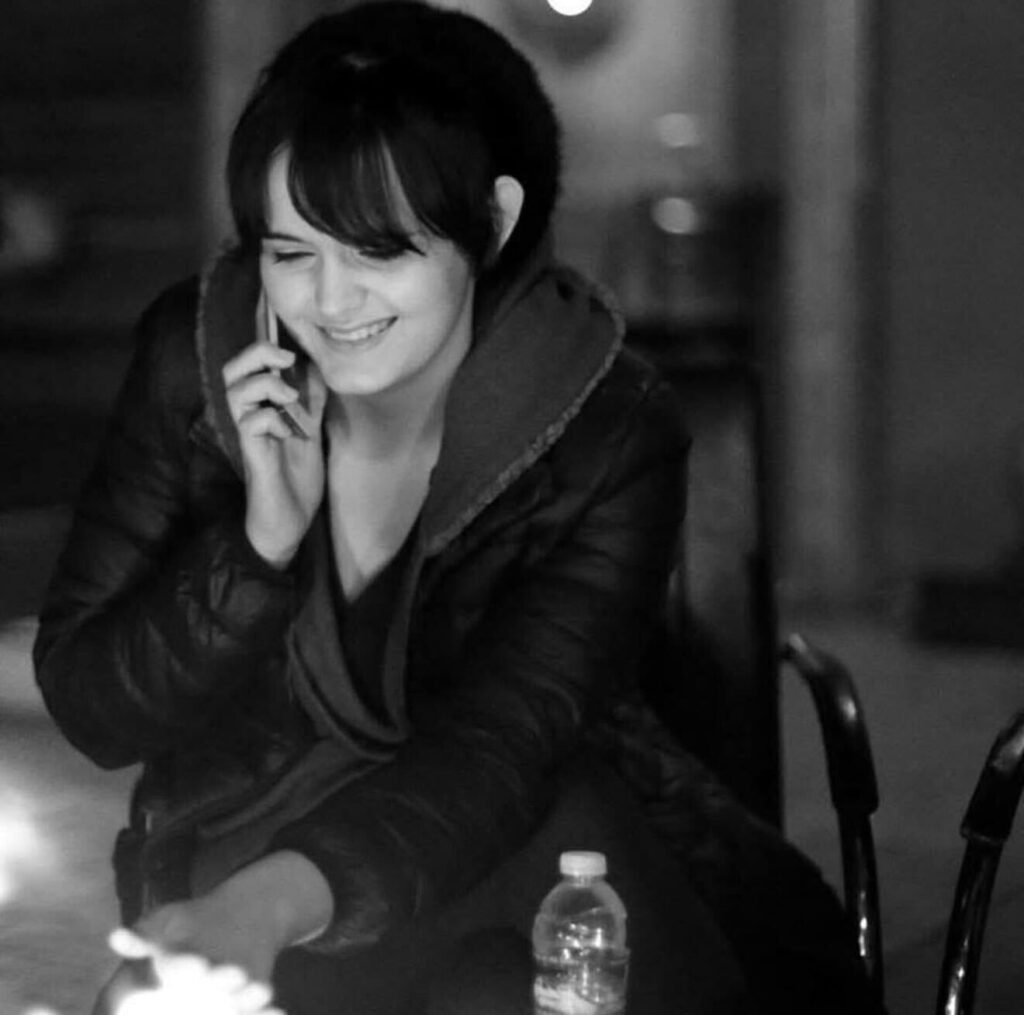
In my head, I was 90s cool. In reality, I was working in live music in Portland, Oregon, so I’m willing to say I was surrounded by the best fashion of the year — if you think hipster grunge and American Spirits in a canvas tote count as “lit.”
And hell, looking back? I was cool. Not content-ready, not aesthetic, not for the feed. Just cool in the way your friends looked when they showed up to a house show in someone’s basement, eyeliner half-smeared, boots from a thrift store in 2012. While I’d feel weird wearing that outfit now, it fit perfectly then — with the era, the moment, and the city I was in. In 2016, Portland made sense for that look. The hipster grunge thing wasn’t a costume. It was just what we wore to work, to shows, to brunch. I belonged to the aesthetic, even if I didn’t post about it.
That’s why this wave of 2016-core hits weirdly. While TikTok is making it look iconic and unified, most of us were just figuring it out. Trying on eras. Mashing references. Mixing American Apparel with Forever 21 and pretending we invented layering. Chokers were aspirational. Messiness was standard. The vibe wasn’t curated — it was cobbled together from whatever was on sale at Urban Outfitters and still smelled like patchouli & tobacco from the bar bathroom we found ourselves in the night before.
And that’s kind of the point. Nostalgia doesn’t recreate the real. It recreates the best-feeling version of what was. And in that version, maybe I was 90s cool. Maybe the choker would’ve worked. And maybe, just maybe, I still wear the off-the-shoulder black tops I got at a discount store all those years ago. Maybe.
Platform and Cultural POV
So why 2016, and why now?
That year marked a specific moment in internet history. Social platforms were cohesive enough to produce wide-reaching viral moments, but not yet engineered for optimization at every turn. It was pre-Explore tab Instagram. Pre-TikTok. Pre-brand voice formalization. Content went viral not because it was branded well, but because it was weird, relatable, or accidentally compelling.
And yet, for many, 2016 wasn’t exactly good. One Redditor put it bluntly:
“The most overrated year in modern history. Zoomers are obsessed with it. All I remember is mumble rap, a ton of celebrity deaths, and you‑know‑who starting his campaign.”
Another added, “Have we really looped all the way around from 2016 was awful to nostalgia?”
Yes. That’s how nostalgia works.
As one top comment explained:
“It’s because you were young. Gen Alpha will have the same thing to say about 2025. Millennials feel that way about 2008–10. Gen X feels that way about the late 80s, early 90s.”
This isn’t about loving 2016 in hindsight — it’s about craving the emotional texture of a time just before the internet calcified—the messiness, the weirdness, the collective experiences that weren’t sanded down by strategy. Every generation retrofits meaning onto a window of time when the world felt accessible, not exhausting.
That’s why the rise of AI-generated 2016 nostalgia is especially telling. These clips don’t just look like the past — they feel like it. Or more specifically, they feel like the way we wish the past had felt. They’re emotional forgeries — synthetic wholes made from millions of fragments we’ve posted, liked, and forgotten.
They are, in other words, perfect for the internet.
So no — this isn’t a nostalgia loop. It’s a rebellion in retro clothing. And it’s being shaped in real time by a generation that’s both too online and not online enough to remember how different it felt.
Brand and Marketer Implications
This isn’t just about throwback aesthetics. It’s a creative temperature check — and the message is clear: audiences are gravitating toward texture, not polish. For brands, that opens up layered opportunities to rethink tone, production, and platform presence.
• Creative direction that echoes the era, not mimics it
Embrace visual markers like fisheye lenses, Snapchat-style overlays, blurry flash, or VSCO haze. The goal isn’t to parody the past — it’s to borrow its visual language in a way that feels emotionally resonant. A lo-fi Story or retro filter can cue honesty in a feed full of optimized perfection.
• Filters as storytelling, not decoration
In 2016, filters weren’t just aesthetic — they shaped mood. Brands can lean into that logic now by using filters to signal emotion or evoke recall. A branded AR effect that mimics an iPhone 6 camera lens hits differently when audiences already associate that look with simpler digital times.
• Let the content breathe
2016 core is anti-overproduction. Strategic use of “bad” angles, awkward pauses, and flash photography are authenticity markers now. Think: chaotic carousels, mirror selfies, and TikToks that feel like they were shot in a dorm room (because they were). Audiences don’t just tolerate lo-fi energy — they trust it.
• Seed, don’t center
Instead of pushing out top-down campaigns, brands can create the conditions for remix. Drop the assets — fonts, sounds, filters — and let creators interpret them through a 2016 lens. That’s how brands show up with culture, not just beside it.
The core opportunity here isn’t nostalgia as a costume; it’s the genuine experience of nostalgia. It’s nostalgia as emotional shorthand. When done right, even the most modern product can evoke a retro spirit.
Key Takeaways for Marketers
• Nostalgia is a strategy when it evokes feeling, not just references
• Filters, fonts, and flawed angles aren’t sloppy — they’re signals
• Tap into creator remix culture with assets that encourage reinterpretation
• Use “retro” as a tone shift, not a timeline — 2016 is shorthand for emotional accessibility
• Aesthetic imperfection builds platform trust
Final Thought
2016 core isn’t about going backward. It’s about remembering what forward felt like before everything got optimized. When pop culture was a shared playlist, not a hyper-personalized feed. When Celine Dion trended alongside Black Mirror and Brexit, and no one thought that was strange.
The smarter question for brands isn’t how to recreate the past — it’s how to recapture its emotional bandwidth before the internet got too good at being the internet.